
Manila Real Estate Investment: 5 Critical Factors That Make Property Owners Successful
Buying a condo in Manila is easy. Making it actually work for you — that's the hard part.
Plenty of investors buy a unit, hand over the keys to a random agent, and hope for the best. A year later, they're wondering why the "guaranteed" rental income never showed up. The difference between that outcome and a genuinely profitable investment usually comes down to five things, and none of them are complicated once you see them in action.
At BedandGo, we work with owners across Makati, BGC, and the wider Metro Manila market every day, so we see both versions of this story play out constantly. Let's walk through what separates them.
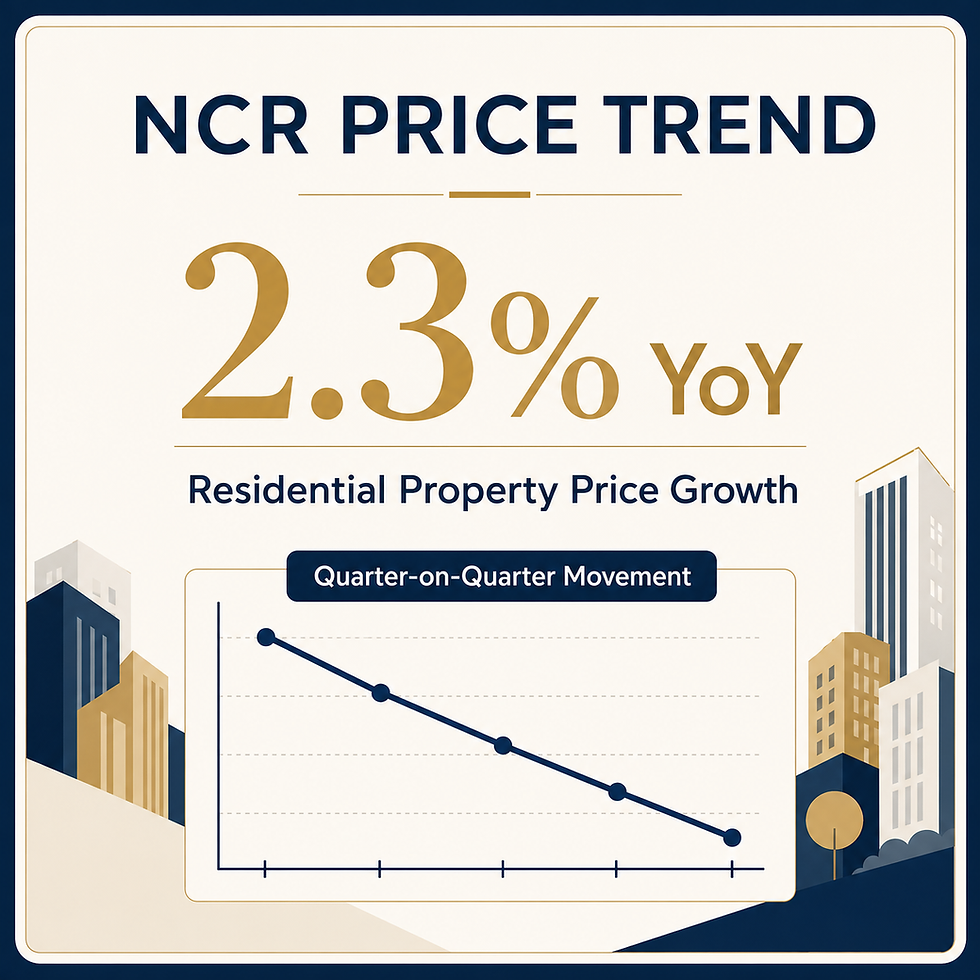
First, a quick reality check on the market. Residential property prices in the National Capital Region rose 2.3% year-on-year in Q3 2025, though they dipped 0.8% quarter-on-quarter (Bangko Sentral ng Pilipinas, 2025). Translation: the market isn't booming across the board, but it isn't flat either. Location, building quality, and tenant demand matter more than ever in deciding who wins and who doesn't.
1. Choosing a Location With Sustainable Demand
Picture this: Two investors each buy a one-bedroom unit in the same general area of BGC. Investor A picks a tower five minutes from a major office campus, with a train station nearby and three grocery options within walking distance. Investor B picks a similarly priced unit ten minutes further out, in a building with higher association dues and a reputation for slow-fixing maintenance requests.
Eighteen months later, Investor A has had two tenants total, both corporate professionals who renewed their leases. Investor B has had four tenants, two vacancy gaps of over a month each, and a lower average rent because prospective tenants kept comparing the unit unfavorably to nearby options.
Same neighborhood. Very different outcomes.
That's the real lesson here — "good location" isn't a zip code, it's proximity to what generates consistent demand:
Business districts and office centers
Transportation routes and railway stations
Schools and universities
Hospitals and healthcare facilities
Shopping centers and supermarkets
Restaurants and daily services
Makati, BGC, Ortigas, the Bay Area, and Alabang all pull in professionals, expats, and corporate tenants — but demand still swings wildly building to building. Before buying, look at what comparable units in the same building are actually renting for, how long they sit on the market, and what tenants say about the property management. Don't buy on a developer's projected returns slide. Buy on evidence.
2. Understanding the Property's Complete Financial Picture
Here's a scenario that trips up a lot of first-time investors: Someone buys a unit advertised as earning PHP 35,000 a month in rent. They do the math — PHP 35,000 × 12 — and land on PHP 420,000 a year. Feels great.
Then reality arrives. The unit sits vacant for two months between tenants. The aircon needs a PHP 8,000 service call. Cleaning and turnover between leases runs another few thousand. Association dues and property tax come out of the same pot. Add a leasing fee to find the next tenant, and that PHP 420,000 "return" quietly becomes closer to PHP 280,000–300,000 — a very different number.
This is why owners who actually make money track net rental income, not gross rent. Three numbers matter:
Gross Rental Yield Annual gross rent ÷ total acquisition cost × 100
Net Rental Yield(Annual rental income − operating expenses) ÷ total acquisition cost × 100
Vacancy AllowanceA set percentage of annual rent held back to cover months without a tenant
Add an emergency fund on top for the inevitable — aircon units, water heaters, and appliances don't last forever.
For context, BSP reported a national median condo price of roughly PHP 3.46 million in Q4 2025 (Bangko Sentral ng Pilipinas, 2025) — but that number moves a lot depending on area, building, and condition, so treat it as a starting reference point, not a benchmark for your specific unit.

3. Matching the Property to the Right Tenant Market
Two owners, two units, two very different marketing strategies. One owner furnishes a studio near a university with a study desk, extra storage, and budget-friendly appliances, then markets it specifically to students and young professionals. The other buys a two-bedroom near an international school, furnishes it for a family — think proper dining space and a washer-dryer — and markets it to relocating expat families.
Both succeed, because both know exactly who they're renting to before a single photo gets taken.
Compare that to an owner who tries to appeal to "anyone" — vague listing, generic photos, no clarity on whether it's furnished or pet-friendly. That listing usually gets more inquiries from people who were never going to qualify, and fewer serious ones.
Think through what your target tenant actually cares about:
Monthly rental budget
Preferred lease duration
Furnished or unfurnished setup
Internet availability
Parking requirements
Pet policies
Proximity to work or school
Building security and amenities
And price to the market you're in, not the price you'd like. If comparable units nearby offer newer furniture or better views at a similar rent, an overpriced unit just sits empty — and an empty unit earning zero is worse than a slightly-below-ideal rent that's actually being paid.
4. Maintaining the Property Proactively
Imagine a prospective tenant walking into two identical floor plans on the same day. Unit A has a small water stain on the ceiling, a wobbly cabinet door, and a faint musty smell from the aircon. Unit B is spotless, the aircon was serviced last month, and there's a folder with the unit's maintenance history sitting on the counter.
Unit B rents within the week. Unit A sits for a month, then rents at a discount because the tenant "wants to negotiate given the condition."
Preventive maintenance is cheaper than the alternative every time:
Regular air-conditioning cleaning
Plumbing and leak inspection
Electrical safety checks
Grease-trap cleaning, where applicable
Appliance testing
Repainting and crack repair
Furniture and mattress cleaning
Pest-control inspection
Inventory checks before and after every lease
Document the unit's condition with photos before every new tenant moves in — a signed inventory report saves a lot of arguments later about what counts as normal wear versus tenant damage.
Condo owners also have obligations to the condominium corporation under Philippine law (Republic Act No. 4726), and unpaid association dues can become a lien against the unit depending on the governing rules (Supreme Court of the Philippines, 2011). If you're overseas, this is exactly the kind of thing a dependable local property manager handles so it never becomes your 2 a.m. problem.

5. Keeping Documents, Taxes, and Agreements Organized
One more scenario: An owner decides to sell after five years. Everything moves smoothly — until the buyer's lawyer asks for proof that association dues have been paid in full and a copy of the original lease agreements. The owner can't find either. What should have been a two-week closing turns into a two-month scramble digging through old email threads.
Compare that to an owner who kept a simple folder — digital or physical — with everything in one place. Their sale closes on schedule.
Keep these organized from day one:
Condominium Certificate of Title
Deed of Absolute Sale
Tax declarations and official receipts
Real property tax records
Association-dues statements
Lease agreements
Tenant identification documents
Move-in and move-out permits
Unit inventory and condition reports
Repair invoices and expense records
Authority documents for representatives
Every lease should spell out the rent, deposit, payment schedule, duration, utility responsibilities, repair obligations, renewal terms, and move-out process — in writing, even if the tenant is a friend or relative. And because tax treatment depends on your specific situation, get advice from a qualified accountant, lawyer, or licensed real estate professional rather than guessing.
Manila Real Estate Investment: The Common Thread Behind Every Success Story
Manila real estate investment rewards owners who treat it like a business, not a set-and-forget asset. The five factors reinforce each other:
Pick a location backed by real, sustainable demand
Calculate returns using actual, complete expenses
Market the unit to a specific tenant, not "anyone"
Maintain the property before problems show up, not after
Keep every document and agreement organized from the start
A great location can't save a neglected, overpriced unit. But a well-managed one with fair pricing and solid upkeep tends to stay rented even when the broader market cools off.
The investors who come out ahead aren't the ones who got lucky on timing. They're the ones who made good decisions consistently — from the purchase, through the lease, all the way to the eventual sale.
Want me to move forward with the usual full package next — Japanese translation, Wix SEO set (focus keyword, meta description, title tag, slug, OG fields, Article schema, tags), and the image/infographic briefs? Also happy to sanity-check the two BSP citations are still live before we lock it in. FAQ Section (for on-page use)
What makes a Manila real estate investment profitable?
Profitability comes down to five factors working together: a location with sustainable tenant demand, an accurate net rental yield calculation (not just gross rent), a property matched to a specific tenant profile, proactive maintenance, and organized legal and financial documentation.
What is a good rental yield for a Manila condo?
There's no single universal benchmark — it depends heavily on the specific building, unit type, and location. What matters more than hitting a target percentage is calculating net yield (income after all operating expenses) rather than relying on the gross rent figure alone, since the gap between the two can be substantial.
Can a condo be foreclosed for unpaid association dues in the Philippines?
Yes, in principle. Under Section 20 of the Condominium Act (RA 4726), unpaid assessments can become a lien enforceable through foreclosure. However, the Supreme Court clarified in First Marbella Condominium Association v. Gatmaytan (2008) that an association still needs specific legal authority to carry out the foreclosure — it isn't automatic just because dues are unpaid.
Should I hire a property manager if I live overseas?
For overseas owners, a local property manager or trusted representative becomes especially important for coordinating repairs, communicating with tenants, and responding to building administration requirements that need in-person attention.
How is the Manila condo market performing right now?
NCR residential property prices rose 2.3% year-on-year in both Q3 and Q4 2025, per BSP data, though momentum has been slowing at the national level. Condo-specific pricing has actually been more resilient than houses, with NCR condo prices up 0.8% y-o-y in Q3 2025. Verified Source Links
BSP Residential Property Price Index, Q3 2025 report (PDF): https://www.bsp.gov.ph/Media_And_Research/RPPI/RPPI-Report-2025-Q3.pdf
PIA coverage of Q3 2025 RPPI: https://pia.gov.ph/press-release/property-prices-show-modest-growth-in-q3-2025/
BusinessMirror coverage of Q4 2025 RPPI: https://businessmirror.com.ph/2026/03/27/bsp-reports-1-6-percent-increase-in-residential-property-prices-in-2025/
Republic Act No. 4726 (Condominium Act), full text: https://lawphil.net/statutes/repacts/ra1966/ra_4726_1966.html
First Marbella Condominium Association, Inc. v. Gatmaytan, G.R. No. 163196 (July 4, 2008): https://lawphil.net/judjuris/juri2008/jul2008/gr_163196_2008.html


コメント