


Beyond the Metro: Why Secondary Cities Are the New Gold Mine for Investors
- bedandgoinc
- 3 日前
- 読了時間: 3分
February 17, 2026
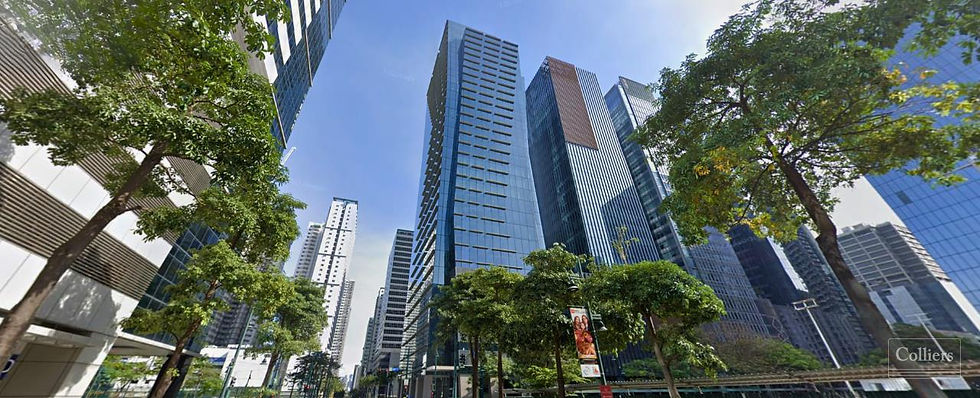
For decades, the Philippine real estate conversation revolved around one place: Metro Manila.
Makati. BGC. Ortigas.
These traditional business districts remain strong — but the next wave of opportunity is happening elsewhere.
Across the country, secondary cities are quietly transforming into high-growth investment destinations. For investors seeking higher upside potential, lower entry prices, and long-term appreciation, the real opportunity may now lie beyond the metro.
Let's explore why.

1. Infrastructure Expansion Is Rewriting the Map
Major government infrastructure initiatives have expanded connectivity well beyond Metro Manila.
Under the “Build, Build, Build” program initiated during the administration of Rodrigo Duterte — and continued through the current “Build Better More” agenda — transport networks have significantly improved access to provincial growth centers.
New expressways, airport upgrades, and transport corridors have enhanced connectivity in cities such as:
Clark
Cebu City
Iloilo City
Improved accessibility reduces travel time, attracts businesses, and supports tourism — all of which drive housing demand.
Cities that once felt distant are now integrated into national economic corridors.
And connectivity drives value.
2. The Rise of BPOs Outside Metro Manila
The Business Process Outsourcing (BPO) industry — one of the Philippines' strongest economic drivers — is expanding beyond Metro Manila.
According to industry reports and coverage by BusinessWorld, companies are increasingly choosing secondary cities due to:
Lower operating costs
Expanding talent pools
Improved digital infrastructure
Incentives in economic zones
Key Emerging Hubs:
Clark — a growing technology and call center hub
Cebu City — a long-established IT and support center
Iloilo City — rapidly emerging as a regional BPO destination
As employment grows, so does demand for:
Rental condominiums
Mid-range housing
Mixed-use developments
For investors, this translates into strong rental potential.
Jobs create tenants. Tenants create cash flow.
3. Lower Entry Prices — Higher Growth Potential
One of the most compelling advantages of secondary cities is affordability.
Property prices in provincial growth centers remain significantly lower compared to prime districts like Makati or BGC.
Lower entry prices mean:
Reduced capital exposure
Stronger potential yield percentages
Higher upside appreciation as cities mature
Early-stage markets often offer the most dramatic growth cycles. As infrastructure and employment bases expand, property values tend to follow.
In saturated prime markets, appreciation may be steady — but in emerging cities, appreciation can be accelerated.
It's a classic risk-reward opportunity.
4. Portfolio Diversification Beyond Metro Manila
Concentrating investments in one geographic area increases risk.
Diversifying into secondary cities spreads exposure across multiple economic zones.
Benefits of regional diversification include:
Reduced reliance on Metro Manila price cycles
Exposure to emerging economic corridors
Access to different tenant demographics
Potentially higher rental yields
Investors who strategically allocate capital across both prime and emerging cities often create more resilient portfolios.
Growth in the Philippines is becoming multi-regional — not Metro-centric.
Final Thoughts
Secondary cities are no longer "second choice.”
They are strategic opportunities.
With expanding infrastructure, BPO-driven job growth, improving connectivity, and affordable entry points, these cities present strong long-term potential.
For investors willing to look beyond traditional hubs, the next wave of high-growth property markets may already be taking shape outside the metro.
Opportunity does not always announce itself loudly.
Sometimes, it develops quietly — just a few hours away.
References
Philippine News Agency. (2023). Infrastructure expansion beyond Metro Manila under Build, Build, Build and Build Better More programs. https://www.pna.gov.ph
BusinessWorld. (2023–2024). BPO expansion in secondary cities such as Clark, Cebu, and Iloilo. https://www.bworldonline.com
Lamudi Philippines. (2023). Emerging property hotspots in provincial areas. https://www.lamudi.com.ph/blog


コメント