
Manila Real Estate Investment: 5 Qualities of a Good Commercial Space for Rent
更新日:7月15日
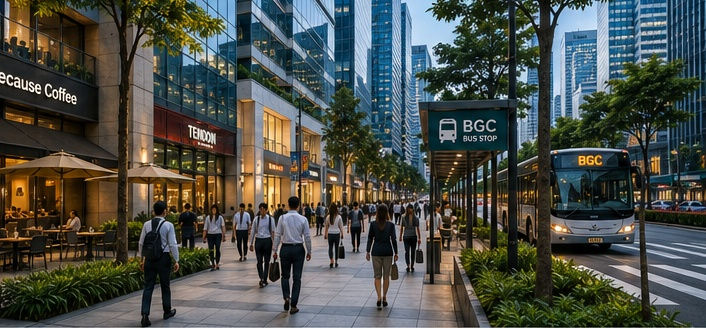
Commercial spaces can support many types of businesses, including restaurants, cafés, retail stores, convenience stores, supermarkets, corporate offices and professional service providers. However, not every available property is suitable for every business.
A commercial unit may appear attractive because it is located in a well-known district or offered at a competitive rental rate. But location and price are only two parts of the decision. The space must also support the business’s operations, customers, employees and long-term plans.
This is particularly important in Metro Manila, where commercial conditions can vary significantly between Makati, Bonifacio Global City, Ortigas, Quezon City, the Bay Area and other business districts.
The commercial property market has also been showing signs of improvement. Metro Manila’s office market ended 2025 with stronger demand, with net take-up reaching approximately 309,000 square metres. Office transactions reached around 847,000 square metres, while vacancy declined to 19.4%. Fort Bonifacio, the Bay Area and Quezon City accounted for approximately half of recorded office transactions.
At the same time, the retail sector remains active. Colliers forecasts that Philippine retail vacancy could fall below 10% by the end of 2026, supported by new foreign brands, mall improvements and continued expansion by retailers.
These conditions can create opportunities for investors, landlords and businesses—but only when the commercial space has the right qualities.
1. Commercial Space for Rent in Manila A Strategic and Accessible Location

Location is one of the strongest factors affecting the performance of a commercial property. However, a “good location” does not always mean the most expensive street or the most popular business district.
The best location is one that matches the target customers, employees and operations of the business.
A restaurant or café may benefit from being near offices, condominiums, schools, hotels or entertainment areas. A convenience store needs regular pedestrian activity and easy access from nearby residential or commercial buildings. A corporate office may prioritise transportation, parking, employee convenience and proximity to clients.
When inspecting a location, study the surrounding area at different times of the day. A street that looks active during lunchtime may become quiet in the evening. Another location may have limited weekday activity but attract strong weekend traffic.
Important factors include pedestrian volume, vehicle access, public transportation, parking, nearby establishments and the visibility of the unit from the street.
Investors should also examine whether the surrounding district is growing. New residential buildings, offices, transportation projects, hotels and mixed-use developments can create future demand for retail, food and professional services.
Commercial activity is currently spread across several Metro Manila submarkets. Fort Bonifacio, the Bay Area and Quezon City were among the strongest office transaction locations in 2025, while established districts such as Makati and Ortigas remain attractive because of their business infrastructure and limited availability of quality spaces in certain areas.
A suitable location should therefore offer both present-day demand and potential for future growth.

2. A Layout That Matches the Business
A commercial space should not be selected based only on its total floor area. The shape, configuration and usable portion of the unit can be more important than the number of square meters advertised.
For restaurants and cafés, the space may need separate areas for dining, food preparation, storage, washing, deliveries and waste management. The property should also have an appropriate location for exhaust systems, kitchen equipment, water lines and drainage.
Retail stores generally need visible frontage, an attractive entrance, product display areas, storage and convenient access for deliveries. A narrow unit with limited frontage may be less effective even when its total floor area appears sufficient.
Office users may require meeting rooms, workstations, reception areas, private offices, storage and breakout spaces. Columns, low ceilings or irregular corners can reduce the usable area and make office planning more difficult.
Before signing a lease, businesses should prepare a basic space plan showing where essential equipment, furniture and customer areas will be located. This can help identify whether the unit can support the intended operation without expensive structural alterations.
Investors purchasing commercial property should also consider flexibility. A unit that can be adapted for different tenants may be easier to lease than one designed for only a highly specialised business.

3. Reliable Utilities and Building Systems
A good commercial space must have the infrastructure required by its intended occupant.
For an office, this may include stable electricity, dependable internet connectivity, backup power, air-conditioning, elevators and security systems. For a restaurant, electrical capacity, ventilation, water pressure, drainage and waste facilities can directly affect whether the business can operate.
Retail establishments may also need sufficient electrical capacity for lighting, refrigeration, digital displays, point-of-sale systems and security equipment.
The physical condition of the building should be examined carefully. Businesses should check for water leaks, poor ventilation, damaged ceilings, plumbing problems, outdated wiring and insufficient emergency exits.
The quality of the overall building also matters. Clean common areas, professional property management, maintained elevators and reliable security can improve the experience of employees and customers.
Newer and well-maintained buildings may have an advantage in attracting tenants. Colliers reported that many major office transactions in 2025 were concentrated in buildings developed within the previous five to ten years. The firm also recommends that older properties invest in refurbishments and building-system upgrades to remain competitive.
Before renting, tenants should ask for information about the building’s power supply, internet providers, air-conditioning schedules, water availability, loading facilities and emergency systems.

4. Sustainable Rent and Fair Lease Terms
A low monthly rent does not automatically make a commercial property affordable.
The total occupancy cost may include association dues, common-area maintenance charges, taxes, insurance, parking, utility deposits, fit-out costs and annual rental increases. Some buildings may also charge fees for signage, deliveries, construction permits or extended air-conditioning use.
Businesses should calculate the complete monthly and initial cost before committing to the space.
The lease period must also match the business plan. A new restaurant or retail concept may need time to build a customer base and recover renovation expenses. However, a long lease can become risky when the agreement does not provide reasonable renewal, termination or assignment options.
Important lease points include:
Length of the lease
Security deposit and advance rent
Annual rental escalation
Rent-free fit-out period
Renovation and restoration requirements
Permitted business use
Maintenance responsibilities
Early termination provisions
Renewal rights
Signage and operating-hour restrictions
Market conditions can also influence negotiations. Although Metro Manila’s office vacancy declined to 19.4% at the end of 2025, vacancy remains relatively high in selected submarkets. Colliers recommends that landlords in higher-vacancy areas consider stepped rental rates, delayed escalations and rent-free periods to remain competitive.
This suggests that qualified tenants may have room to negotiate, particularly when considering spaces that have remained vacant or require renovation.
A good lease should protect the landlord’s investment while giving the tenant enough stability to operate successfully.

5. Proper Permits and Long-Term Business Potential
The property must legally and practically accommodate the intended business.
Before signing a contract, the tenant should confirm that the building and unit permit the proposed use. A unit previously occupied as an office may not automatically be suitable for a restaurant, clinic, supermarket or other specialised operation.
Businesses should verify applicable zoning, occupancy, building, health, sanitation, signage and fire-safety requirements with the relevant property administration and local government offices.
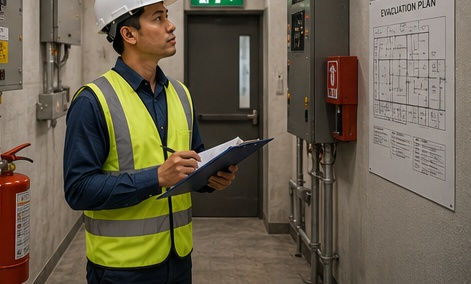
Fire-safety compliance is particularly important. Government guidelines state that a Fire Safety Inspection Certificate is required as a prerequisite for certain occupancy, business and operating permits.
The lease should clearly state the permitted use of the property. Tenants should also obtain written approval before making major improvements, installing kitchen exhaust systems, changing electrical capacity or modifying plumbing and structural components.
Beyond immediate compliance, investors should consider the property’s long-term potential.
Questions to examine include:
Can the space serve different types of tenants?
Is the building properly maintained?
Are new developments attracting more people to the area?
Is there strong competition from nearby commercial properties?
Can the unit be divided, expanded or renovated?
Is the expected rent reasonable compared with similar properties?
A commercial property with flexible use, good management and access to a growing customer base may offer better leasing stability than a highly specialised property with limited tenant demand.
Matching the Space to the Business
Different businesses prioritise different property features.
A restaurant should focus on visibility, pedestrian activity, ventilation, drainage, water supply, electrical capacity and delivery access.
A retail store should examine frontage, window visibility, customer access, storage, signage and nearby businesses that attract similar customers.
An office should prioritise transportation, building security, internet connectivity, efficient floor layout, employee access and professional common areas.
The property should therefore be evaluated according to its intended business—not simply according to its location, size or rental price.
Final Thoughts
A good commercial space for rent in Manila combines five important qualities: a strategic location, a practical layout, reliable building systems, reasonable lease terms and proper legal suitability.
For business owners, these qualities can reduce renovation problems, unexpected expenses and operational limitations. For property investors, they can improve the unit’s attractiveness to potential tenants and support more consistent occupancy.
Metro Manila’s commercial market continues to offer opportunities across offices, restaurants, cafés and retail establishments. Office demand improved during 2025, while the retail sector is expected to maintain positive leasing activity through 2026.
However, the best opportunity is not always the cheapest or most prestigious property. It is the commercial space that matches the business, supports daily operations and remains useful as market conditions change. Source Links
Colliers Quarterly Property Market Report – Office, Q4 2025
Colliers 2026 Philippine Property Market Outlook
https://www.colliers.com/en-ph/research/philippine-property-market-outlook-2026
DILG-NCR: Electronic Fire Safety Inspection System
DTI Business Registration and Permit Information
https://www.dti.gov.ph/dti-business-center/dti-business-registration-permits
DTI Business Name Registration FAQs


コメント