
What Should You Know About Manila's Property Rental Market Demand in 2026? 5 Key Drivers
April 7,2026
Manila's rental market in 2026 is no longer being shaped by the same conditions seen in 2024. Demand is becoming more selective, more location-driven, and more influenced by business activity, infrastructure access, and tenant lifestyle preferences. While Metro Manila still faces elevated vacancy in some segments, prime districts such as Bonifacio Global City (BGC) and Makati continue to attract stronger rental demand, especially from professionals, corporate tenants, and expatriates. Analysts note that rental performance is now highly district-specific, with BGC showing tighter conditions than many other submarkets.
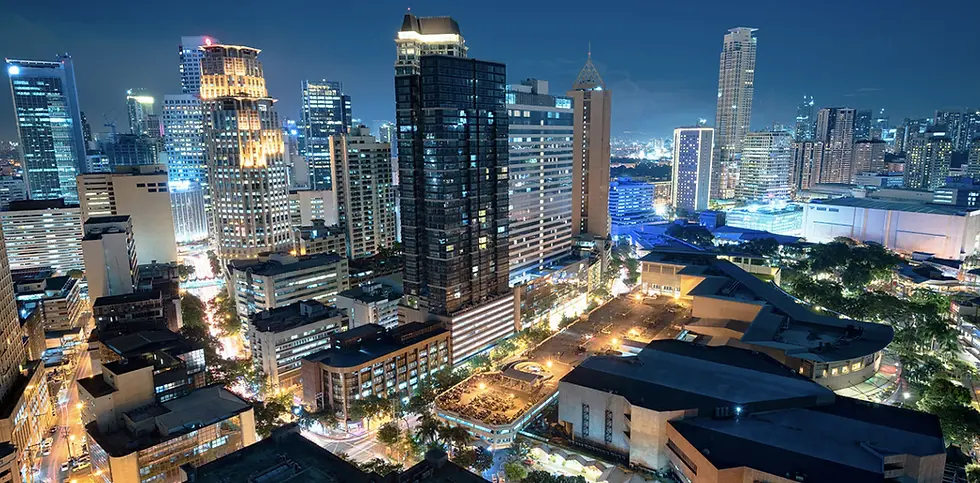
1. Flight to Quality in Prime Business Districts
One of the biggest drivers of rental demand in 2026 is the continued preference for prime locations. Renters are becoming more selective and are prioritizing properties in areas that offer convenience, security, walkability, and proximity to offices and lifestyle amenities. BGC remains one of the strongest-performing districts, supported by lower vacancy and sustained demand, while Makati continues to benefit from its status as a major financial and residential hub. This means that well-positioned units in core business districts are still more competitive than properties in weaker or more oversupplied locations.
For landlords, this means location matters more than ever. Units near premium office zones, retail centers, and essential services are more likely to attract serious tenants and hold rental value. For renters, the tradeoff is clear: prime locations often command higher rents, but they also offer better long-term convenience and stronger overall value.
2. Corporate, BPO, and Multinational Demand
Another major source of rental demand in Manila is the continued strength of the corporate sector. The Philippine IT-BPM industry closed 2025 with more than $40 billion in revenues and about 1.9 million jobs, showing that business expansion remains a strong housing demand driver. As multinational firms, BPOs, and global capability centers continue to operate and expand, professionals working in BGC, Makati, Ortigas, and similar districts still need housing close to their workplaces.
This helps explain why rental demand remains healthy in areas connected to employment centers. Even with hybrid work arrangements, many employees still prefer to live near offices to reduce travel time and improve work-life balance. For property owners, targeting tenants from the corporate and BPO sectors remains a strong leasing strategy, especially if the unit is move-in ready and professionally maintained.

3. Expatriates and Long-Stay International Tenants
Expatriates continue to play an important role in Manila’s higher-end rental market. Executives, embassy staff, foreign professionals, and overseas-based tenants often prefer fully furnished units in secure and established neighborhoods. Locations such as BGC, Rockwell, and central Makati remain attractive because of their international schools, hospitals, retail centers, and lifestyle offerings. At the same time, prime CBDs are leading the residential rental recovery, which supports demand for quality condos that meet international living standards.
For landlords, this segment values convenience, responsiveness, and quality presentation. Furnished units with reliable internet, functional appliances, and professional property management tend to stand out. For renters in this market, the focus is often less on the cheapest option and more on security, accessibility, and a smooth living experience.
4. Lifestyle-Led Demand from Young Professionals
Young professionals remain a major force in Manila’s rental market, but their preferences have become more lifestyle-driven. Today’s renters are not just looking for a place to sleep near work. They are also looking for neighborhoods with cafes, fitness options, retail, dining, and a more walkable environment. This is why mixed-use and highly connected districts continue to outperform. In 2026, demand is strongest where convenience, mobility, and daily lifestyle needs come together in one location.
This shift encourages landlords to think beyond basic leasing. Properties that feel modern, clean, and practical have a better chance of attracting tenants quickly. Small upgrades such as better lighting, quality furnishings, and work-friendly layouts can make a noticeable difference. For renters, lifestyle districts may cost more, but they often reduce commuting stress and improve daily comfort.

5. Tourism and Short-Term Stay Recovery
Tourism is also helping support rental demand, especially in areas that benefit from business travel, events, and short-stay visitors. The Philippines recorded 6.48 million inbound arrivals in 2025 and generated about ₱694 billion in tourism receipts, showing continued recovery in visitor activity. At the same time, the Manila hotel sector is expected to expand further in 2026, reflecting confidence in travel demand. This helps support short-term rental activity in strategic areas such as Pasay, Manila Bay, and locations near transport links, entertainment venues, and commercial centers.
For landlords, short-term and flexible-stay strategies can still work, but success depends on location, compliance, and professional management. For the broader market, tourism recovery adds another layer of demand, especially for units positioned for convenience and easy access to major destinations.
Conclusion
Manila's property rental market in 2026 is being shaped by a more focused and competitive set of demand drivers. Prime district strength, corporate and BPO activity, expatriate leasing, lifestyle-led tenant preferences, and tourism recovery are all influencing where demand is strongest. The market is no longer moving in one direction across all areas. Instead, performance now depends heavily on location, unit quality, and the ability to match the needs of today's renters.
For landlords, the opportunity is still there, but success requires a sharper strategy. For renters, understanding these trends can make it easier to identify the right area and act quickly in the most competitive locations. In a market like Manila, staying informed is still the best way to make smart rental decisions.


コメント