Manila Real Estate Commercial Rentals: 5 Features Every Retail Space Should Have
Choosing the right retail space in Metro Manila can make a difference in how customers discover, visit, and experience a business.
Whether you're opening a convenience store, boutique, showroom, specialty shop, or franchise, the property should support both customer accessibility and everyday operations.

Makati, BGC, Ortigas, Quezon City, and Pasay offer different commercial environments. However, a popular location or modern building does not automatically mean a retail space is suitable for every business.
When exploring Manila Real Estate Commercial Rentals, tenants should evaluate the property's visibility, accessibility, layout, surrounding customer demand, and building facilities before signing a lease.
Here are five essential features to consider.
1. Visible Storefront and Clear Business Signage
A retail storefront should be easy for customers to recognize and locate.
Street-facing commercial units and spaces near active pedestrian routes may offer stronger visibility than stores located in less accessible corridors.
However, visibility depends on the property layout, surrounding buildings, signage permissions, and the direction of customer traffic.
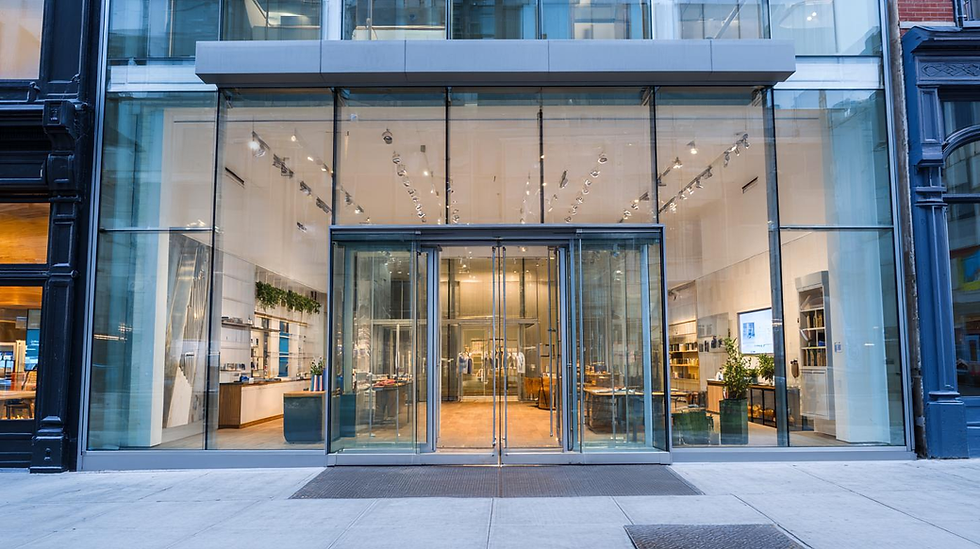
A good retail space should offer a clearly identifiable entrance, sufficient storefront exposure, and practical opportunities for branding.
Features to look for:
Visible storefront facing customer routes
Clear and accessible entrance
Suitable signage installation areas
Good natural or artificial lighting
Unobstructed window displays
Practical example: A boutique with a street-facing glass storefront may attract attention from passing customers, while a showroom may benefit from larger display windows and an easy-to-identify entrance.
Before leasing, confirm whether the building permits your intended signage, window displays, and exterior branding.
2. Convenient Customer Access and Parking
Customers are more likely to consider visiting a retail business when the location is convenient.
Accessibility includes public transportation, pedestrian routes, parking, and the ease of entering and leaving the property.
For businesses selling bulky products, customer pickup and delivery access may be especially important.

Retail spaces near major roads, transit connections, and residential or office developments may offer useful access advantages, depending on the business model.
Important accessibility features
Convenient pedestrian access
Nearby public transportation
Available customer parking
Safe pickup and drop-off areas
Practical delivery and loading access
Practical example: A convenience store may benefit from easy pedestrian access near residential buildings, while a furniture or appliance showroom may require better vehicle access and loading arrangements.
Visit the property during business hours to assess traffic, parking availability, and customer movement.
3. Functional Layout and Flexible Floor Space
A retail unit should provide enough usable space for product displays, customer movement, storage, and staff operations.
An attractive floor area may become difficult to use if structural columns, narrow corridors, or poorly positioned entrances limit the layout.
Different retail businesses also require different space arrangements.

A boutique may prioritize product displays and fitting rooms, while a specialty store may require additional storage and service counters.
What to evaluate
Usable floor area and layout
Product display and shelving space
Customer circulation and accessibility
Storage and back-of-house areas
Permitted fit-out and interior modifications
Practical example: A 60 sqm unit with an efficient rectangular layout may offer more usable merchandising space than a larger unit with awkward corners or limited storage.
Before signing, request the floor plan and confirm which alterations are permitted.
4. Strong Surrounding Customer Demand and Nearby Amenities
Retail performance is influenced by the people and businesses surrounding the property.
Offices, residential condominiums, hotels, schools, and shopping destinations may provide different sources of potential customers.
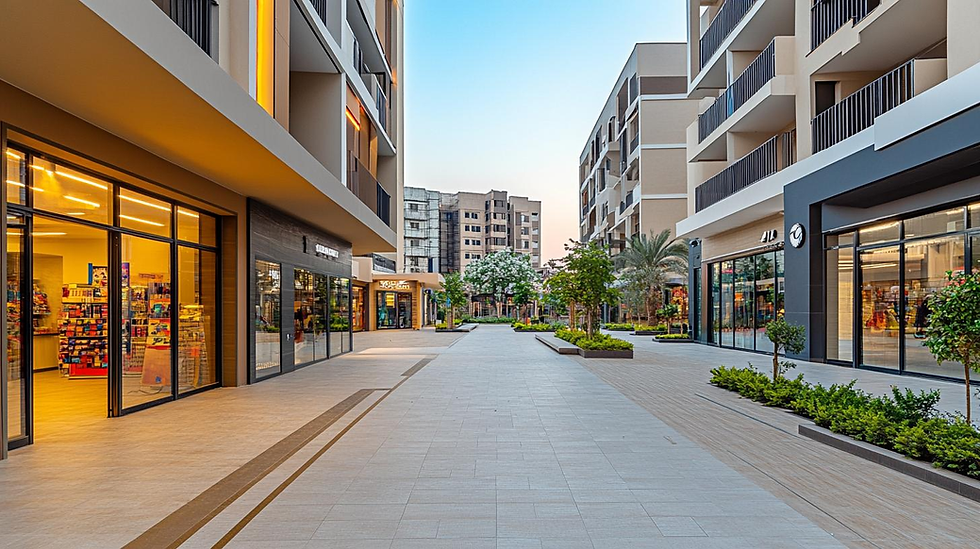
For example, a retail space near office buildings may appeal to employees purchasing everyday essentials during working hours.
A store near residential communities may attract repeat visits from nearby households.
Meanwhile, a retail unit in a lifestyle district may benefit from customers visiting restaurants, cafés, and entertainment establishments.
Nearby establishments worth checking
Office towers and business centers
Residential condominiums
Supermarkets and shopping malls
Schools and educational facilities
Hotels and lifestyle destinations
Practical example: A pharmacy or convenience store near a residential development may benefit from daily-needs demand, while a specialty retailer may prefer an area where customers already visit for shopping.
However, nearby competition should also be assessed.
A busy commercial district may attract customers but also contain multiple businesses targeting the same market.
5. Reliable Utilities, Security, and Building Management
A retail space must support daily business operations, not just customer visits.
Electrical capacity, water supply, internet availability, ventilation, security, and maintenance procedures can affect how smoothly a store operates.

For example, a retail business using refrigeration, display lighting, or electronic point-of-sale systems may require reliable electricity and suitable electrical capacity.
A showroom may need additional lighting and air-conditioning, while a convenience store may require appropriate storage and delivery arrangements.
Essential facilities to verify
Electrical capacity and utility connections
Water supply and drainage where required
Internet and telecommunications availability
Building security and fire safety provisions
Maintenance and waste collection arrangements
Practical example: A retail unit may appear ready for occupancy but still require electrical upgrades or additional utility connections before it can support the intended business.
Before signing, confirm permitted use, fit-out restrictions, operating hours, and building management requirements.
Manila Real Estate Commercial Rentals: Quick Retail Leasing Checklist
Before renting a commercial retail space in Metro Manila, compare these five features.
Essential Feature | What Tenants Should Check |
Storefront visibility | Entrance exposure, signage, display windows |
Customer accessibility | Pedestrian routes, transport, parking, deliveries |
Functional layout | Usable area, displays, storage, permitted fit-out |
Nearby customer demand | Offices, residences, retail activity, competition |
Building infrastructure | Electricity, water, internet, safety, management |
A retail space that performs well across these areas may be more suitable than a property chosen only because it is located in a popular district.
How to Choose the Right Retail Space for Your Business
Before signing a commercial lease, business owners should compare several properties based on their specific operational requirements.
Start by defining your target customers, preferred location, budget, floor area, and necessary building facilities.
Next, review the total occupancy cost, including base rent, applicable taxes, association dues, utilities, parking, and potential fit-out expenses.
It is also important to understand the lease duration, rent escalation, renewal conditions, signage permissions, maintenance responsibilities, and termination provisions.
For businesses requiring specialized equipment or substantial modifications, arrange a technical inspection before making major financial commitments.
The best retail space is not necessarily the largest or most expensive. It is the one that fits your customers, business operations, and budget.
Frequently Asked Questions (FAQ)
1. What should I look for when renting retail space in Manila?
Prioritize storefront visibility, customer accessibility, usable floor area, nearby customer demand, and reliable building facilities. The importance of each feature depends on your business type.
2. Is a ground-floor retail space always better?
Not necessarily. Ground-floor units often provide easier access and stronger visibility, but upper-floor or interior retail spaces may suit businesses with established customers or destination-based services.
3. Which areas are suitable for commercial retail rentals in Metro Manila?
Makati, BGC, Ortigas, Quezon City, and Pasay offer different retail environments. The right location depends on your target customers, operating requirements, and budget.
4. What additional costs should retail tenants expect?
Possible expenses include advance rent, security deposits, association dues, taxes, utilities, fit-out work, signage, permits, and reinstatement obligations. Confirm all charges in the lease proposal.
5. Can I renovate a rented commercial retail space?
Renovations may be permitted, subject to landlord approval, building regulations, lease terms, and applicable permits. Confirm restrictions before beginning fit-out work.
6. How important is parking for retail businesses?
Parking can be important for stores serving customers who travel by car or purchase large items. For neighborhood convenience stores, pedestrian access may be more important.
7. Can foreign-owned businesses rent commercial retail spaces in the Philippines?
Foreign-owned businesses may lease commercial premises subject to applicable business registration, licensing, foreign investment, and operating requirements. Seek professional guidance for your specific business structure.
Final Thoughts
Choosing a commercial retail space involves more than finding a convenient address.
Visibility, accessibility, layout, surrounding customer demand, and building infrastructure all influence whether a property can support a business effectively.
For tenants exploring Manila Real Estate Commercial Rentals, comparing these features before signing can help reduce avoidable leasing mistakes.
The right retail property should provide a practical environment for customers, employees, and everyday operations.
Find Commercial Retail Spaces with BedandGo Real Estate
Looking for retail space in Makati, BGC, Ortigas, Quezon City, Pasay, or other Metro Manila commercial districts?
BedandGo Real Estate can assist retail business owners, franchise operators, and entrepreneurs in exploring commercial properties based on preferred location, floor area, budget, accessibility, and business requirements.
Whether you are opening a new store, relocating, or expanding your retail operations, comparing available properties is an important step before committing to a lease.
Website: https://www.bedandgoinc.com
Disclaimer: This article provides general commercial leasing information. Rental rates, permitted uses, building requirements, and contract conditions vary by property and business. Verify the relevant details before signing a lease.


コメント