


Real Estate Market Forecast 2026: 6 Things Buyers, Investors, and Developers Need to Know
- bedandgoinc
- 5 時間前
- 読了時間: 3分
January 10,2026
As we enter 2026, the real estate market stands at a pivotal moment — shaped by shifting global economics, evolving buyer preferences, and structural transformations in how you live, work, and invest. From inventory trends to tech-driven innovation, here’s a complete breakdown of what to expect in the next year.

1. Global Real Estate Trends: Cautious Optimism Amid Structural Shifts
📉 Economic Headwinds But Steady Growth
The United Nations forecasts global economic growth slowing to about 2.7% in 2026, signaling macroeconomic caution that could influence property demand and investment capital globally.
Despite this, many developers and markets remain optimistic. For example, surveys in India indicate that nearly 70% of real estate developers expect home prices to rise by more than 5% in 2026, driven by strong demand fundamentals.
2. U.S. & Western Markets: Slower Appreciation, Rising Affordability
🏡 Housing Price & Inventory Trends
In the U.S., market forecasts project:
Modest price growth — home prices expected to rise slowly, helping improve affordability.
Inventory increases — more homes available could shift toward a more balanced market.
Certain regions, like Hartford and Richmond, show strong momentum, marked by competitive sales and price appreciation.
These signals suggest the buyer's market may inch forward, giving hopeful homeowners more opportunities — especially where inventory lags.

3. Asia Pacific Real Estate: Dynamic Demand & Investment Shifts
📊 Real Estate Investment Trends in Asia
The Asia Pacific region remains a focal point of growth and investment diversification. According to industry forecasts, Asia Pacific real estate will require an estimated US$1.7 trillion per year in infrastructure investment through 2030, reflecting long-term urban expansion.
🌏 China Market Pose Challenges
However, China’s property market continues to struggle, with home prices projected to fall further in 2026 due to structural pressures and unsold inventory.
This contrast highlights uneven recovery across markets — where some regions expand rapidly, while others grapple with excess supply and affordability barriers.
4. Philippine Real Estate Outlook 2026: A Mixed but Promising Picture
📈 Headwinds and Tailwinds in the Local Market
According to Colliers’ Philippine Property Market Outlook 2026, the market is entering a phase defined by “headwinds and tailwinds” — meaning growth is expected, but not without volatility and shifting demand.
Key dynamics include:
A large unsold residential inventory — Metro Manila entering 2026 with high levels of unsold condos and homes.
Vacancy rates are expected to ease up gradually, especially as developers use promotional strategies and pricing incentives.
Retail property demand remains strong, with vacancy anticipated to fall below 10% by the end of 2026.
🏙️ Residential and Luxury Segments
Residential demand, especially in provincial areas and luxury segments, has seen growth more recently — signaling that buyers are exploring beyond Metro Manila for value and space.
🏢 Commercial Real Estate: Selective Growth
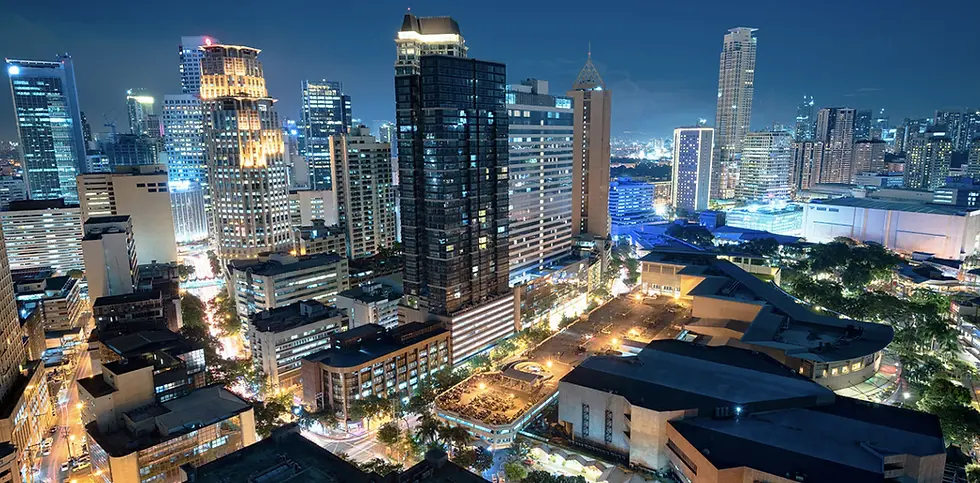
In the commercial space, prime offices in Makati and other major metros are seeing solid absorption, while fringe properties navigate higher vacancies. Hybrid work models also shift leasing structures and space requirements.
5. Investment Themes to Watch in 2026
🔍 Diversification & Flexibility
Investment trends globally are moving toward diversification — geographically and across asset classes — to reduce concentration risks and hedge against volatility.
📉 Financing Environment
Interest rates may stay elevated relative to historical lows, prompting creative financing strategies for developers and investors alike.
🚀 PropTech & Data-Driven Decision Making
Innovations in real estate technology — from virtual tours to AI-enhanced analytics — are reshaping how properties are listed, assessed, and managed, pushing the industry toward greater efficiency and transparency.
6. Buyer & Investor Takeaways for 2026
For Homebuyers
✔️ Look for regions with growing inventory and slower price appreciation — often better value.
✔️ Prepare for modest mortgage rate fluctuation and shifting affordability dynamics.
For Property Investors
✔️ Target mixed-use developments and Grade A commercial spaces with stable demand.
✔️ Consider diversification across cities and asset types to mitigate risk.
For Developers
✔️ Prioritize adaptable designs and flexible payment options to attract a broader market.
✔️ Focus on technology integration and sustainable features to future-proof developments.
Conclusion: A Cautious but Constructive Outlook
The 2026 real estate forecast paints a nuanced picture:
Global markets face economic headwinds but show pockets of strength.
U.S. and Asia Pacific trends point toward slow but stable price growth and rising demand diversity.
Philippine property reflects structural supply challenges and opportunities, particularly in retail, luxury, and regional markets.
While uncertainty remains, especially around interest rates and economic growth, 2026 offers strategic opportunities for buyers, investors, and developers who stay informed, adaptive, and forward-thinking.

コメント