


What Do Renters Need to Know About Manila Rent Today in 2026? Here are 7 Essential Things You Should Know
- bedandgoinc
- 1 日前
- 読了時間: 4分
更新日:7 時間前
7 January 2026
Renting in Manila is no longer just about finding a place close to work. In recent years, the rental market has matured into a more structured, data-driven environment shaped by lifestyle changes, infrastructure growth, and evolving tenant expectations (World Bank, 2024). For professionals, expats, students, and families alike, Manila rent in today’s market reflects both opportunity and choice—if you know how to navigate it well.
This guide explores how the Manila rental market works, what drives prices, where demand is strongest, and how renters can make smarter decisions in a competitive but increasingly transparent landscape.
Understanding the Manila Rental Market Today
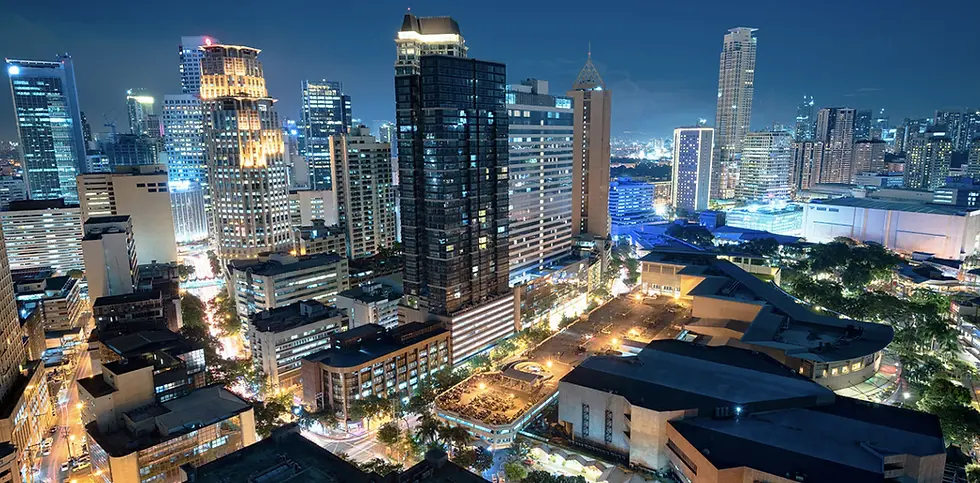
Manila’s rental market spans a wide spectrum, from budget-friendly studio units in emerging districts to premium high-rise condominiums in established business centers. What makes Manila unique is the coexistence of multiple rental sub-markets within one metropolitan area, shaped by uneven urban density and employment concentration (Asian Development Bank, 2023). A 30-minute difference in location can significantly affect rent levels, lifestyle quality, and daily accessibility.
In recent years, rental pricing has become more disciplined. Instead of relying purely on owner expectations, landlords increasingly assess comparable listings, vacancy rates, and tenant demand before setting prices (Colliers Philippines, 2024).
This shift has reduced extreme pricing gaps between similar units and created a more predictable environment for renters. As a result, tenants now have more negotiating power than in previous years, particularly in buildings with higher supply competition.
Another defining feature of Manila rent is flexibility. Short-term leases, semi-furnished units, and move-in-ready options have become more common, reflecting increased labor mobility and the rise of hybrid and remote work arrangements (JLL Philippines, 2024).
Key Areas Driving Rental Demand
Rental demand in Manila remains strongest in districts that combine employment access, lifestyle amenities, and transport connectivity. Central business districts continue to attract professionals who prioritize walkability and reduced commute times, while mixed-use developments appeal to tenants seeking integrated live-work-play environments.
However, growth is no longer limited to traditional prime locations. Infrastructure upgrades and new transport corridors have expanded renter interest to surrounding districts that offer better value without sacrificing accessibility (Asian Development Bank, 2023). These areas often provide larger unit sizes or lower rental rates while maintaining reasonable travel times to employment centers.
For renters, this evolution means greater choice. Living just outside the most established districts can generate meaningful cost savings without a significant compromise in quality of life, as secondary hubs develop their own commercial areas, dining options, and community amenities (World Bank, 2024).
What Influences Manila Rent Prices?
Several factors shape rental pricing across Manila, and understanding them helps renters evaluate whether a unit is fairly priced. Location remains the most influential determinant, particularly proximity to offices, transport hubs, and lifestyle centers.
Building quality is another critical factor. Properties with modern amenities, professional management, and consistent maintenance standards tend to command higher rents and experience lower vacancy rates. Unit-specific characteristics—such as size, layout efficiency, floor level, and furnishing—also play an important role. Fully furnished units offer convenience but often come at a premium, while semi-furnished or bare units may provide better long-term value.
Market timing further influences rental outcomes. Rental activity fluctuates throughout the year due to corporate relocation cycles, academic calendars, and broader economic conditions (Philippine Statistics Authority, 2024).
The Shift Toward Lifestyle-Oriented Renting
Manila rent is increasingly shaped by lifestyle considerations rather than affordability alone. Tenants now evaluate how well a property supports their daily routines, with growing emphasis on access to gyms, co-working spaces, retail zones, and green areas. Work-from-home arrangements have further shifted rental priorities. Reliable internet connectivity, quiet interiors, and functional layouts have become essential features. Buildings that accommodate these needs tend to maintain stronger demand and more stable occupancy levels (World Bank, 2024).
This lifestyle-driven demand has encouraged landlords and developers to invest more in shared amenities and communal spaces, raising overall rental standards across many parts of Metro Manila.
Renting as an Expat or First-Time Tenant
For expatriates and first-time renters, Manila can initially feel complex due to varying lease structures and local rental practices. Most residential leases are structured annually and typically require advance rent, a security deposit, and post-dated checks—standard arrangements within the Philippine rental market.
Understanding these norms helps renters avoid misunderstandings and manage cash flow more effectively. Clear communication and complete documentation are especially important, as well-managed properties usually offer smoother move-ins, transparent billing, and faster maintenance resolution.

Emerging Trends Shaping Manila Rent
One of the most visible trends in Manila rent is the growing preference for mid-range properties that balance affordability and quality. These units appeal to a broader tenant base and often deliver better long-term value than ultra-luxury or ultra-budget alternatives.
Decentralization is another defining trend. As infrastructure improves, rental demand is spreading more evenly across Metro Manila, easing pressure on core districts and encouraging healthier competition among landlords.
Digital platforms and virtual viewings have also become standard tools, especially for overseas renters. Improved listing transparency and online access have contributed to a more efficient and informed rental market (World Bank, 2024).
Making Smarter Rental Decisions
Successful renting in Manila begins with clarity. Defining your budget, preferred location, lease duration, and lifestyle priorities helps streamline the search process. Comparing similar units within the same building or district provides valuable context when evaluating price and value.
Patience also plays a role. While some listings move quickly, many units re-enter the market as tenants relocate or upgrade. Staying informed and flexible can unlock better opportunities.
Most importantly, renters should look beyond the headline rent. Management quality, maintenance reliability, and overall living experience often outweigh small monthly price differences over time.
Conclusion: Manila Rent in Perspective
Manila rent in 2026 reflects a city in transition—more organized, more competitive, and increasingly responsive to tenant needs. While urban challenges remain, the rental market itself offers greater transparency, broader choice, and improved stability compared to previous years (World Bank, 2024).
For renters who approach the market thoughtfully, Manila provides diverse housing options that accommodate different lifestyles and budgets. Whether relocating for work, upgrading your living situation, or exploring the city for the first time, understanding how Manila rent works enables confident, informed decision-making in one of Southeast Asia’s most dynamic urban environments.singly shaped by lifestyle preferences rather than just affordability. Tenants now look beyond square footage and focus on how a property fits into their daily routine. Access to gyms, co-working spaces, pools, retail areas, and green spaces has become a major draw, especially for younger professionals and expatriates.

コメント