


The New Rules of Renting Property in Manila in 2026
- bedandgoinc
- 2 日前
- 読了時間: 5分
6 January 2026
Renting property in Manila has always required flexibility, timing and a good understanding of the city's fast-moving real estate market. In 2026, however, the rules of renting have clearly changed. What once revolved around availability and price alone is now shaped by shifting lifestyles, technology-driven transparency, and a more mature rental ecosystem. For tenants and landlords alike, the Manila rental market is no longer informal or reactive - it has become structured, competitive and increasingly data-driven.
Metro Manila remains the country's economic center, drawing professionals, expatriates, overseas Filipinos and students who rely heavily on the rental market. This constant inflow of residents sustains long-term rental demand, even as buying property becomes less accessible for some segments of the population. As a result, renting is no longer seen as a temporary solution but as a deliberate lifestyle choice, especially in central and well-connected districts (Philippine Statistics Authority, 2024).
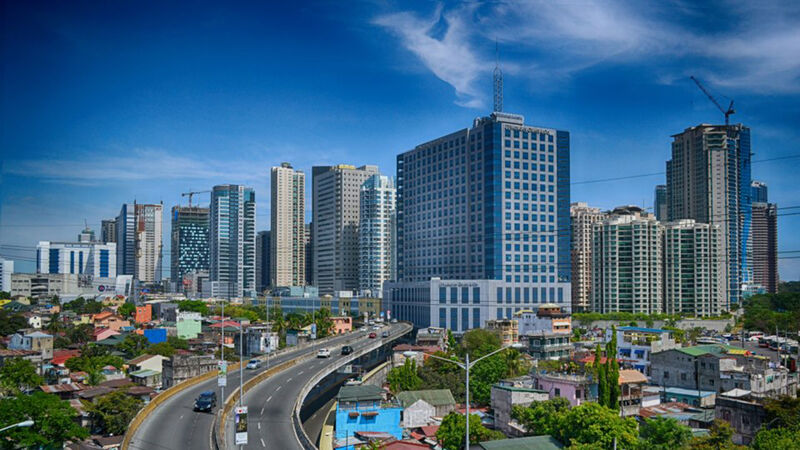
Renting Is Now a Lifestyle Decision, Not a Stopgap
One of the most significant shifts in 2026 is how tenants perceive renting. In the past, renting in Manila was often viewed as a short-term arrangement while saving to buy a home. Today, many tenants—particularly young professionals and expatriates — actively choose to rent for flexibility, mobility and access to prime locations.
Hybrid work arrangements have reinforced this trend. With fewer employees commuting daily, tenants prioritize livability over proximity to a single office. Access to amenities, building management quality and neighborhood convenience now weigh just as heavily as rent levels. This has reshaped demand toward well-maintained buildings in mixed-use environments, where daily needs are within walking distance and lifestyle convenience is built into the location (Colliers Philippines, 2024).
Location Still Matters, but Accessibility Matters More
While location has always been critical in Manila renting, 2026 has refined what “good location” really means. Instead of focusing only on central business districts, tenants increasingly evaluate accessibility. Proximity to transport lines, major roads and mobility hubs now plays a decisive role in rental decisions.
Infrastructure projects across Metro Manila have reduced travel times and expanded the range of viable rental locations. As a result, areas once considered fringe markets now attract stable tenant demand, provided they offer efficient transport links. This shift has leveled rental pricing across districts, narrowing the gap between traditional CBDs and emerging corridors (Asian Development Bank, 2023).
Transparency Has Changed the Negotiation Process
Another new rule of renting property in Manila in 2026 is transparency. Digital listing platforms, online rental comparisons, and real-time market data have fundamentally changed how tenants negotiate. Renters are better informed than ever, with access to comparable listings, historical pricing and neighborhood insights before even scheduling a viewing.
This transparency has reduced information asymmetry between landlords and tenants. Unrealistic pricing is more easily identified, and well-priced units tend to move faster. For tenants, this means fewer surprises and more predictable negotiations. For landlords, it places greater emphasis on proper pricing, unit condition, and professional presentation (Knight Frank, 2024).
Furnished Units Dominate Tenant Preferences
By 2026, furnished and semi-furnished units have become the norm in many parts of Manila's rental market. Mobile professionals, expatriates and returning overseas Filipinos prefer move-in-ready units that minimize upfront costs and setup time. This preference has reshaped landlord strategies, particularly in districts with strong international tenant demand.
Furnishing quality now directly influences rental competitiveness. Tenants expect functional layouts, reliable appliances, and modern interiors rather than decorative excess. Units that fail to meet these expectations often face longer vacancy periods, even if priced competitively. This has raised overall standards in the rental market and pushed landlords toward more tenant-centric offerings (Bangko Sentral ng Pilipinas, 2024).

Rental Pricing Is More Data-Driven and Less Emotional
In previous years, rental pricing in Manila was often shaped by owner expectations, anecdotal comparisons, or aspirational pricing rather than by actual market performance. In 2026, this approach has become far less effective. Greater access to real-time listing platforms, rental analytics and neighborhood-level data has pushed the market toward more disciplined and evidence-based pricing, particularly in professionally managed developments.
Landlords now increasingly reference comparable units within the same building or district, taking into account vacancy rates, average days-on-market, and recent lease transactions when setting asking rents. This shift has reduced the gap between initial listing prices and final lease agreements, resulting in faster deal closures and more predictable rental outcomes. Units priced in line with market data tend to secure tenants more quickly, while those driven by emotional pricing assumptions often experience prolonged vacancies.
For tenants, this data-driven environment creates a more balanced negotiation process. With clear visibility into prevailing rental ranges, renters are less inclined to accept inflated prices and more willing to explore alternatives. This has placed natural pressure on landlords to remain competitive, limiting sudden rent increases and encouraging gradual, market-supported adjustments instead. Over time, this pricing discipline contributes to greater overall stability in the Manila rental market, benefiting both tenants and long-term property owners by reducing volatility and improving market transparency (World Bank, 2023, https://www.worldbank.org).
Property Management Has Become a Deciding Factor
One of the clearest new rules in 2026 is the importance of property management. Tenants are no longer evaluating units in isolation; they are assessing the entire rental experience. Building maintenance, response times, security, and communication standards now influence rental decisions just as much as unit features.
Well-managed properties enjoy higher tenant retention and stronger word-of-mouth referrals. Poorly managed buildings, even in good locations, struggle to compete. This has created a clear divide in the rental market between professionally operated developments and those that rely on minimal oversight, with tenants increasingly favoring reliability over short-term savings (International Monetary Fund, 2024, https://www.imf.org).
Longer Leases and Tenant Retention Matter More
In 2026, both landlords and tenants place greater value on lease stability. Frequent turnover is costly, disruptive, and increasingly avoidable in a market where tenant expectations are better understood. As a result, longer lease terms and renewal incentives are becoming more common, particularly for well-qualified tenants.
This trend reflects a broader shift toward sustainability in rental relationships. Tenants seek predictability in housing costs, while landlords benefit from reduced vacancy risk and more stable income streams. The rental market is gradually moving away from transactional arrangements toward longer-term partnerships built on mutual reliability.
Compliance and Documentation Are No Longer Optional
Regulatory awareness has also increased among tenants in Manila. Clear lease agreements, proper documentation, and compliance with building and local regulations are now expected rather than negotiated. Tenants—especially corporate and expatriate renters—are more cautious about legal clarity and transparency.
This shift has encouraged more standardized lease practices across the market. While informal rentals still exist, professionally documented agreements are becoming the norm in competitive rental segments, reinforcing trust and reducing disputes.
Conclusion: Renting in Manila Has Matured
The new rules of renting property in Manila in 2026 reflect a market that has grown more sophisticated, transparent, and tenant-focused. Renting is no longer defined by short-term necessity but by lifestyle choice, flexibility, and informed decision-making. Location still matters, but accessibility, management quality, and overall experience matter just as much.
For tenants, the market offers more choice, clarity, and professionalism than ever before. For landlords, success increasingly depends on pricing discipline, property quality, and long-term tenant relationships. As Manila continues to evolve as a globalizing city, its rental market is no longer catching up—it is coming of age.
コメント