
Why Cebu's Rental Rates Behave Differently from Metro Manila During the Ber Months?
November 19,2025
The ber months—September to December—mark one of the most dynamic periods in the Philippine rental market. As soon as September arrives, Metro Manila experiences a noticeable rise in demand from employees relocating for work, balikbayans returning for the holidays, and students beginning the second semester. Meanwhile, Cebu tells a different story. Although both cities undergo seasonal shifts, Cebu's rental trends are shaped by its unique blend of tourism-driven activity, BPO expansion, island lifestyle, and short-term rental competition.

Understanding these differences helps renters plan smarter and investors make better decisions about where and when to enter the market. Here's why Cebu's rental rates behave differently from Metro Manila during the ber months—and what you can expect if you are searching for a home or looking to invest before the year ends.
Tourism Drives Cebu's Ber Month Rental Prices More Strongly Than Manila
While Metro Manila also sees an uptick in tourist arrivals during the holiday season, Cebu’s tourism sector plays a much heavier role in shaping rental prices. This is especially true in areas like Mactan, Lahug, Mabolo, and Cebu Business Park, where many condos double as short-term rentals for vacationers.
The ber months overlap with the peak travel season when international flights surge and domestic travelers flock to Cebu for beach trips, island hopping, and reunions. Increased tourism strains both hotel and short-term rental inventory, pushing some visitors—especially longer-staying families, digital nomads, and balikbayans—to opt for condo rentals.

This demand tends to compress Cebu's long-term rental supply, creating upward pressure on prices specifically in waterfront and business district condos. In comparison, Metro Manila's tourism contribution is more diluted, as most rentals are driven overwhelmingly by work and schooling rather than leisure travel.
According to the Philippine Department of Tourism, Cebu remains one of the most visited provinces during the last quarter of the year.
Metro Manila's Ber Month Demand Comes From Jobs, Schools, and Holiday Migration
Metro Manila's rental market is dominated by employment and academic cycles, not tourism. As companies ramp up operations for Q4, many firms hire additional staff, prompting relocations into business districts like Makati, Ortigas, and BGC. The ber months also coincide with contract renewals, year-end promotions, and internal transfers that often require a change in residence.
Students add significantly to demand, especially in Manila, Quezon City, and Makati, where universities enter another academic term around late August or early September. Because of this workforce and student-driven pattern, Manila’s rental activity focuses on:
studio and 1BR units
proximity to CBDs
affordability and access to transport
short leasing terms for job transitions
Meanwhile, Cebu's ber month tenants are commonly travelers, expat workers, and digital nomads — a different demographic behaving differently in the market.
Short-Term Rentals Impact Cebu's Long-Term Rates
One of the clearest differences is the influence of short-term rentals like Airbnb, which is significantly higher in Cebu than in Metro Manila during the ber months. This is because Cebu's rental market is deeply integrated with its tourism economy. During peak travel weeks—such as the December holidays—many unit owners convert long-term rentals into nightly or weekly stays.

The appeal of higher nightly income shrinks Cebu's long-term rental inventory, sometimes causing price spikes even for otherwise affordable units.
Metro Manila has Airbnb demand too—but it rarely pulls as many long-term condos out of circulation because hotels and city staycation options are more abundant and competitive.
Cebu Has Lower Vacancy Rates During the Holidays
Another reason Cebu behaves differently: vacancy rates drop faster in Q4. Many Cebuanos who work in Manila or abroad return home for the holidays and stay for weeks or months. This creates temporary spikes in demand for rentals, especially larger units or fully furnished condos.
Meanwhile, in Metro Manila, some residents move out for the holidays and return to their provinces, creating slightly softer conditions compared to Cebu, where year-end demand intensifies.
The IT-BPM Workforce in Cebu Operates Differently in Q4
Cebu is one of the strongest IT-BPM hubs outside Metro Manila. But unlike Manila, where BPO expansions are steady year-round, Cebu’s hiring cycles are more synchronized with U.S. holiday industries. This makes Q4 a peak season for staffing.
During the ber months, Cebu’s BPO activity often increases due to:
holiday customer service surges
outsourcing from U.S. retail and e-commerce companies
increased manpower for call operations
seasonal support contracts
This pushes leasing demand upward in Cebu's IT Park, Lahug, and Cebu Business Park.
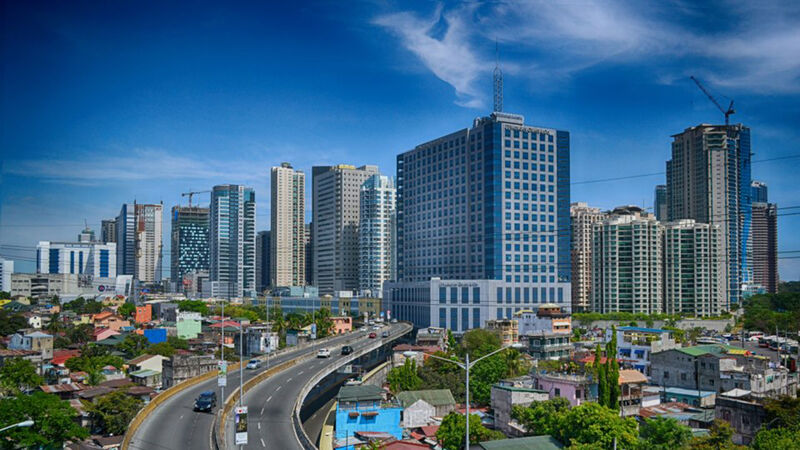
The Geography and Lifestyle Difference
Cebu's geography plays a subtle but important role. Cebu offers island living within minutes of major business districts, making it extremely attractive during the holiday months when people want to combine work, travel, and relaxation.
Metro Manila, being a much denser and more urbanized megacity, does not benefit from this “work + island lifestyle” appeal. As a result, Cebu’s ber month rental market attracts:
surfers
divers
long-stay digital nomads
returning OFWs
vacationing families
This group is willing to pay a premium during the ber months, driving demand in leisure-oriented developments.
Which City Is Cheaper to Rent During the Ber Months?
For most renters, Metro Manila offers more stable and predictable rates during the ber months. Cebu, particularly in areas with high tourism activity, experiences stronger price inflation.
However, affordability varies greatly depending on neighborhood:
Cebu (most affected):
Mactan
IT Park
Lahug
Cebu Business Park
Cebu (less affected):
Talamban
Banilad
Mabolo interior
Manila (most affected):
BGC
Makati CBD
Manila (less affected):
Mandaluyong
San Juan
Pasay interior
Overall: Cebu is more sensitive to holiday-driven price movements, while Manila follows corporate and academic cycles.

Final Thoughts
The ber months reveal just how different Metro Manila and Cebu truly are. Cebu's rental market behaves more like a hybrid between a tourist city and a business hub, making it highly sensitive to seasonal travel and short-term rental shifts. Metro Manila, on the other hand, is shaped primarily by job mobility, workforce relocations, and school schedules.
For renters, Cebu can be more competitive during the holidays, while Manila offers predictable pricing but tight competition near business districts. For investors, Cebu's seasonality provides strong opportunities for yield optimization.
Understanding these differences allows both renters and property owners to plan better as another active ber season approaches.
Sources:
Department of Tourism. (2025). Tourism statistics and arrival data.https://tourism.gov.ph
Colliers Philippines. (2025). Metro Manila property market insights and quarterly reports.https://www.colliers.com/en-ph
AirDNA. (2025). Philippines short-term rental performance and market insights.https://www.airdna.co
Leechiu Property Consultants. (2025). Cebu market updates and quarterly real estate briefings.https://www.leechiu.com
IT & Business Process Association of the Philippines (IBPAP). (2025). IT-BPM industry performance and provincial growth.https://ibpap.org


コメント